
When most parents think about what harms their child’s teeth, sugar usually comes to mind first. While sugar undeniably plays a major role in tooth decay, there’s another sneaky culprit that often goes unnoticed: dietary acids. These acids, found in many popular foods and drinks, can gradually erode your child’s enamel — the hard, protective outer layer of their teeth.
At Cooper Orthodontics in Houston, TX, Dr. Bryn Cooper wants families to understand how acid erosion differs from cavities and how to spot the hidden acidic threats in your child’s diet. This knowledge is vital for preserving strong, healthy teeth over a lifetime.
Cavities vs. Acid Erosion: What Sets Them Apart?
Cavities develop when bacteria in the mouth feed on sugars and produce acid that attacks enamel at specific spots, creating holes or decay. This process is largely bacterial and can be managed by controlling sugar intake and maintaining good oral hygiene.
Acid erosion, on the other hand, is caused by direct contact of teeth with acidic substances—without bacteria playing a role. The acid chemically breaks down the enamel’s mineral content, thinning and softening it over time. Unlike cavities, acid erosion leads to enamel that looks smoother, thinner, and more translucent, increasing tooth sensitivity and the risk of staining and further decay.
Identifying Common Dietary Acids in Your Child’s Meals
Many parents assume that only sugary sodas threaten their child’s teeth, but acidic foods and drinks are far more widespread. Here’s a quick overview of typical items in a child’s diet and their acidity levels (pH values below 7 are acidic):
| Food or Drink | Approximate pH | Risk Level |
|---|---|---|
| Water | 7.0 | None |
| Milk | 6.5–6.8 | Very Low |
| Orange Juice | 3.5–4.0 | High |
| Apple Juice | 3.4–4.0 | High |
| Sports Drinks (e.g., Gatorade) | 2.9–3.7 | Very High |
| Sparkling Water | 3.0–4.0 | Moderate to High |
| Lemonade | 2.5–3.0 | Very High |
| Soda (Cola) | 2.5–3.5 | Very High |
| Yogurt | 3.8–4.4 | Moderate |
How to Safeguard Your Child’s Enamel
The encouraging news is that enamel erosion can be effectively minimized with some simple habits:
- Encourage water as the main drink throughout the day.
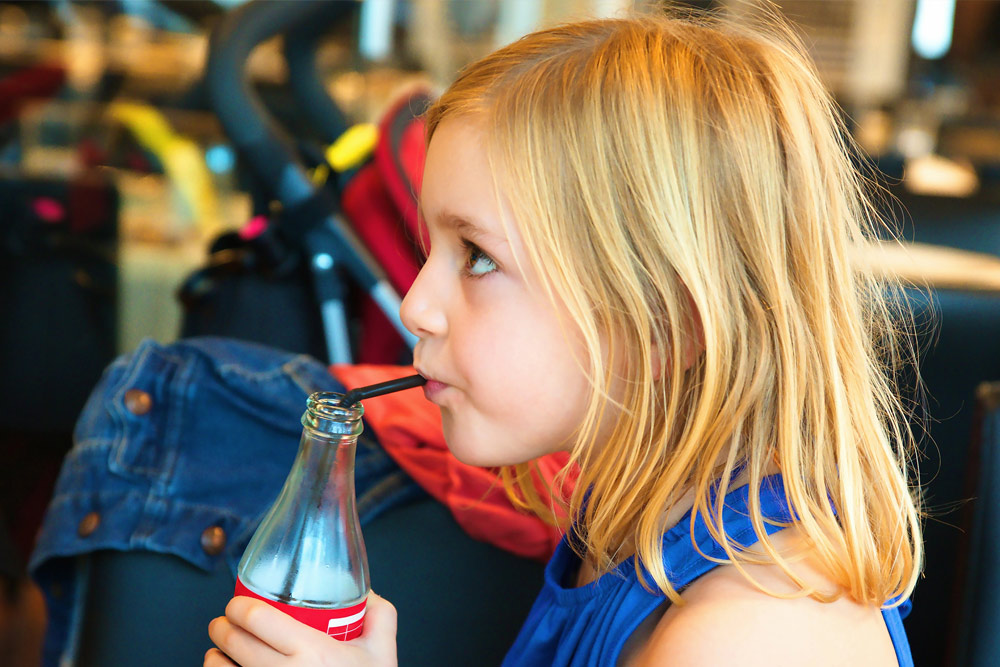
- When your child does enjoy acidic drinks, use a straw to reduce direct contact with teeth.
- Avoid brushing immediately after acidic consumption, as the enamel is softened and more vulnerable. Instead, have your child rinse with plain water and wait at least 30 minutes before brushing.
- Offer a balanced diet and limit snacking on acidic foods throughout the day.
At Cooper Orthodontics, Dr. Bryn Cooper carefully monitors your child’s enamel condition during regular visits and provides customized advice to keep their smile strong. Early recognition of acid erosion allows us to intervene before serious damage occurs.
Ready to protect your child’s smile from hidden acids and other dental threats? Call Cooper Orthodontics at (832) 925-8721 today to schedule a consultation. Learn more about our orthodontic solutions like Invisalign and braces designed for kids and teens.
Visit us at https://www.cooperorthodontics.com/contact to book your appointment and start transforming your child’s smile — one healthy tooth at a time.